Weather Awareness in the Shenandoah Valley
Learning to work with the Valley's ever-changing weather for stronger, healthier gardens
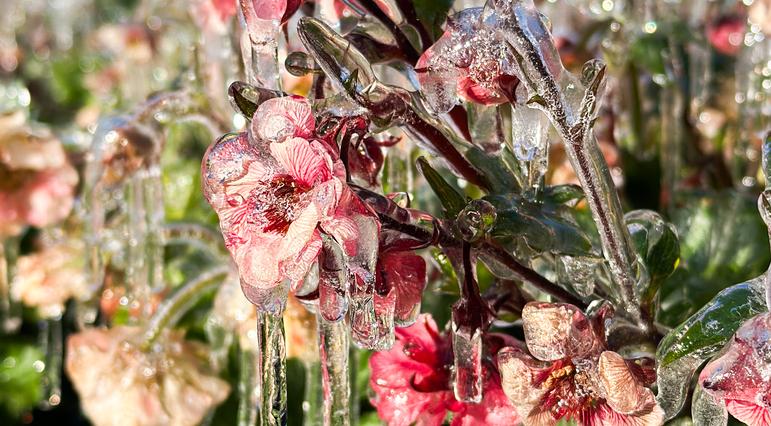
Your Garden’s Secret Advantage If you’ve spent any time gardening in the Shenandoah Valley, you already know, our weather doesn’t follow a script. One day feels like summer, the next reminds you it’s still early spring. That unpredictability can be frustrating, but it can also be your greatest advantage if you learn how to work with it.
The Valley’s location between mountain ranges creates a unique environment where temperatures shift quickly and conditions vary even within your own yard. Cold air settles into low spots, higher ground warms faster, and passing systems can change everything overnight. It’s not uncommon to experience warm, sunny days followed by chilly nights well into spring. That’s why paying attention to local patterns matters just as much as watching the calendar. Frost is one of the biggest factors to plan around. While mid-to-late April is often considered the “last frost,” experienced gardeners know better than to rely on averages. A sudden cold snap can still show up and damage tender plants. Instead of rushing to plant everything at the first sign of warmth, it’s wiser to ease into the season.
Cool-season crops like lettuce, peas, and broccoli can handle the early ups and downs, while tomatoes, peppers, and other warm-weather plants should wait until nighttime temperatures are consistently mild. Another often overlooked factor is soil temperature. Even when the air feels perfect, the ground may still be too cold to support growth.
Warm-season plants need warm soil to establish strong roots. If planted too early, they tend to stall or struggle, setting you back weeks. A little patience here goes a long way and often leads to healthier, more productive plants later on. Spring rain in the Shenandoah Valley can be both a gift and a challenge. Consistent moisture helps gardens take off, but too much water can quickly create problems. Poor drainage leads to root stress, disease, and nutrient loss. That’s why choosing the right planting location is critical. Well-draining soil, raised beds, and avoiding low, wet areas can make all the difference in how your garden performs. As the season progresses, paying attention to the smaller details in your own yard becomes just as important as the bigger weather patterns. Notice where the wind hits hardest, where the sun lingers longest, and where frost tends to settle first. These subtle differences create microclimates that can either help your plants thrive or hold them back. Once you understand them, you can plant more strategically and with greater confidence.
The most successful gardens in the Shenandoah Valley aren’t built on perfect conditions, they’re built on awareness. Instead of trying to control the weather, great gardeners learn to anticipate it, adapt to it, and use it to their advantage. Planting in stages, staying flexible, and choosing the right timing will always outperform rushing the process. Gardening here is less about following strict rules and more about paying attention. When you tune into the rhythms of the Valley, the warming soil, the passing storms, the lingering chill, you begin to garden with the environment instead of against it. And that’s when things really start to grow.