Insect Control for Houseplants: Working with Nature, Not Against It
A simple, natural approach to preventing and managing houseplant pests without harsh chemicals.
Healthy houseplants are the best defense against pests. Instead of relying on harsh chemicals, focus on prevention through proper watering, balanced fertilizing, good airflow, and regular inspection. When issues arise, use gentle organic solutions like insecticidal soap, neem oil, horticultural oils, or beneficial insects to work with nature—not against it—creating stronger, more resilient plants and fewer pest problems long-term.
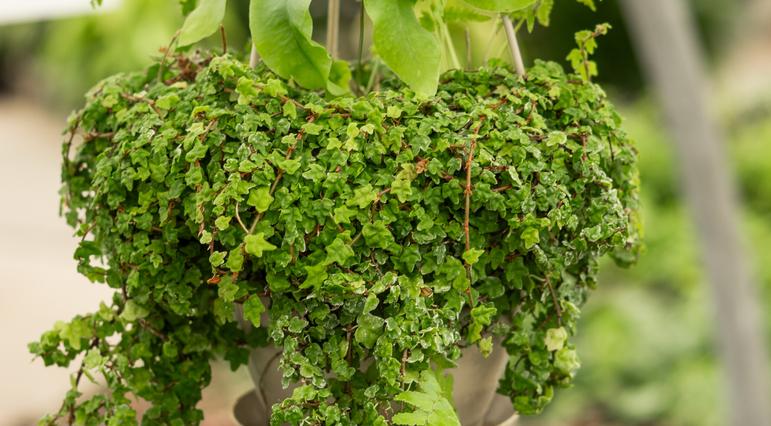
Houseplants bring life, color, and calm into our homes—but they can also attract unwanted guests. Aphids, spider mites, fungus gnats, thrips, and scale insects are common indoor pests that weaken plants, spread diseases, and frustrate even experienced growers. While chemical pesticides can control these pests, there are other, better ways to keep your houseplants happy, healthy, and growing.
Indoor environments are unique. Unlike outdoor gardens, houseplants exist in closed spaces where the humidity is often low, and plant foliage can be crowded. In those conditions, pests can thrive.
Understanding why pests appear on your houseplants is key to controlling them. Aphids thrive on soft, nitrogen-rich growth, spider mites love dry air and stressed plants, fungus gnats multiply quickly in constantly wet soil, mealybugs and scale favor weak or overcrowded plants, and thrips spread quickly in warm, low-humidity environments. In nearly every case, pests are opportunists. Overwatering, poor airflow, low humidity, and excessive fertilization create ideal conditions for infestation.
Before introducing any sprays or pest controls, start with basic plant care adjustments. Isolation and Inspection – New plants should be quarantined for at least two weeks. Many infestations enter homes through newly acquired plants. Physical removal: For light infestations, plants can be rinsed thoroughly in the sink or shower. Leaves and stems can be wiped with a cloth dampened with a 50/50 rubbing alcohol / water mixture. And heavily infested growth can be trimmed. Environmental adjustments can help as well. Increasing humidity and air flow can help your houseplants thrive.
When pests persist, organic treatments can help control them. Here are a few:
Insecticidal Soap
Made from potassium salts of fatty acids, insecticidal soap disrupts soft-bodied insects like aphids, mites, and mealybugs. It works on contact and leaves minimal residue.
Tips:
- Spray thoroughly, including leaf undersides
- Apply in the morning or evening
- Repeat every 5–7 days as needed
Neem Oil
Neem oil acts as a feeding deterrent and growth regulator. It is effective against a wide range of pests but works slowly.
Use with caution: Neem can harm beneficial insects if sprayed directly on them.
Horticultural Oils
These oils smother insects and eggs without toxic effects. They are especially useful for scale insects and spider mites.
Beneficial Insects: Nature’s Pest Control Team
One of the most powerful—and underused—organic solutions for houseplants is beneficial insects. While often associated with outdoor gardens or greenhouses, many beneficial insects can be successfully used indoors with proper planning.
Lady Beetles (Ladybugs)
Lady beetles consume aphids, mealybugs, and mites. However, they tend to disperse quickly indoors and are best used in enclosed spaces or sunrooms.
Lacewing Larvae
Often called “aphid lions,” lacewing larvae are voracious predators that feed on aphids, thrips, mites, and small caterpillars. They are one of the most effective indoor beneficial insects.
Predatory Mites
These microscopic allies target spider mites and thrips. They thrive in humid environments and are ideal for indoor plants with persistent mite problems.
Parasitic Wasps
Tiny and harmless to humans, these wasps lay eggs inside pests like aphids and whiteflies, controlling populations from the inside out.
Beneficial insects work best as a preventative or early-intervention strategy, not a last resort.
Watering Practices and Pest Prevention
Watering mistakes are one of the biggest contributors to insect problems. Constantly wet soil encourages fungus gnats and root rot. While adult gnats are mostly harmless, their larvae damage roots and weaken plants. To avoid over watering, you should allow soil to dry slightly between waterings, use well-draining potting mixes, and water your plants from the bottom by placing the pot in water when appropriate. Underwatering also can lead to problems. Stressed, drought-stricken plants are more susceptible to spider mites and thrips. Balance is key: Water deeply but infrequently, matching each plant’s specific needs.
Fertilizer fuels growth—but too much of it creates soft, nitrogen-rich tissue that pests love. Since excess nitrogen leads to rapid, weak growth that attracts aphids and mealybugs, you will want to avoid fertilizing too frequently. Organic fertilizers are recommended since they release nutrients slowly, supporting steady growth without surges that invite pests. Compost teas, worm castings, and fish emulsions are excellent options. You should also keep in mind that most houseplants need less fertilizer in fall and winter. Overfeeding during low-light periods increases pest risk.
It is best to build a long-term strategy for houseplant health. Effective insect control isn’t about eliminating every bug — it’s about maintaining balance. A strong organic approach includes healthy soil and roots, proper watering and fertilization, regular inspection, early intervention, and strategic use of beneficial insects. When houseplants are thriving, pests struggle to establish themselves.
Conclusion
Organic insect control for houseplants is both practical and sustainable. By focusing on plant health, environmental balance, and natural predators, you can manage pests without relying on harsh chemicals. Beneficial insects, combined with mindful watering and fertilization, transform pest control from a reactive chore into a proactive system.
In the end, the goal is resilient plants. Healthy plants, supported by natural solutions, will always be your best defense against unwanted insects.